
On this page
You’ve just been handed a new development project, and the asphalt quote came back 30% higher than you’d budgeted. Sound familiar? Asphalt costs can vary dramatically (from $70 to $160 per square metre for commercial work), and if you don’t understand why, you’re setting yourself up for budget blowouts and project delays.
The truth is, asphalt pricing isn’t just about square metres and tonnage. Site conditions, timing, material specifications, and even your chosen contractor’s setup can swing your final bill by tens of thousands of dollars. Here’s what you need to know before you commit.
Quick Answer: Key Cost Drivers
- Project scale: Larger sites benefit from economies of scale, dropping costs from $130+ per m² (small jobs) to $70-90 per m² (500+ m² projects)
- Site preparation: Accounts for 30-40% of total costs – poor drainage, unstable subgrade, or existing pavement removal can add significant costs
- Asphalt specification: Premium hot mix with enhanced durability runs 10-20% more than standard grades
- Sydney location premium: Metro areas command 10-15% higher rates than regional NSW due to labour and transport costs
- Timing: Off-season scheduling (autumn/winter) can unlock better contractor rates
Project Size and Scope: The Economy-of-Scale Advantage
For developers and engineering firms, this is your biggest cost lever. A 50 m² carpark section might cost you $130-150 per square metre, whilst a 500 m² commercial lot could drop to $80-100 per m². Why? Mobilisation costs, equipment hire, and crew setup are fixed expenses spread across your total area.
But here’s where it gets interesting: if you’re planning staged development, consolidating asphalt work across multiple stages can be financially advantageous. One bulk pour with a single mobilisation beats three separate visits, even if you’re storing materials longer.
Large-scale projects also unlock bulk purchasing power for materials. When you’re sourcing 100+ tonnes of asphalt, suppliers start negotiating. Your asphalt contractors in Sydney should be leveraging this – if they’re not, you’re leaving money on the table.
Site Conditions: Where Hidden Costs Live
This is where experienced developers truly stand out. Poor site preparation is the fastest way to blow a budget and create long-term maintenance headaches.
Site preparation typically represents 30-40% of your total project cost and includes grading, levelling, subgrade stabilisation, and base layer installation. If your site has soft spots, poor drainage, or existing pavement that needs removal, add another $30-60 per square metre before you’ve laid a single tonne of asphalt.
Sydney’s clay-heavy soils in western suburbs can be particularly tricky. Areas with reactive clay require deeper excavation and better compaction to prevent future movement and cracking. Skimping on geotechnical assessment upfront is a false economy – you’ll pay for it in repairs within 3-5 years.
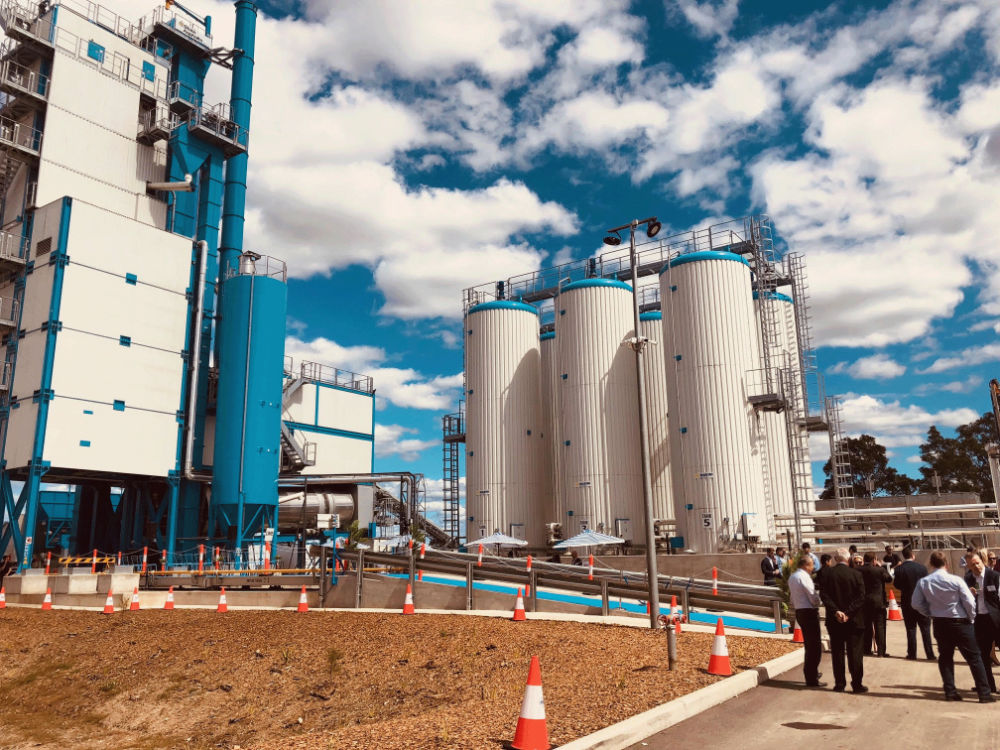
Material Selection: Not All Asphalt is Created Equal
You’ll hear terms like hot mix, warm mix, cold mix, and recycled asphalt. Here’s what matters for commercial work:
Hot Mix Asphalt
This is your standard for high-traffic areas, like carparks, access roads, and loading zones. It’s durable, flexible, and meets Australian Standards for commercial applications. Expect to pay $90-120 per m² installed for standard hot mix in Sydney.
Premium Asphalt Mixes
Premium asphalt mixes with enhanced properties (improved drainage, reduced heat absorption, higher binder content) add 10-20% to material costs but deliver measurably better performance in heavy-use applications. For high-traffic developments, this pays for itself in reduced maintenance and extending pavement lifespan.
Bulk Cold Mix Asphalt
Bulk cold mix asphalt serves a different purpose: it’s your go-to for temporary repairs, minor patches, and emergency fixes. Whilst not suitable for permanent heavy-traffic areas, it’s a cost-effective solution for interim work during staged construction.
Thickness matters more than most developers realise. Residential driveways might use 40-50mm, but commercial areas handling delivery trucks and heavy machinery need 60-75mm minimum. That extra 25mm adds roughly $25-40 per m² but prevents premature failure under load.
Location and Accessibility: The Sydney Factor
Sydney metro pricing sits 10-15% above regional NSW rates, driven by higher labour costs and material transport expenses. But location impacts extend beyond postcodes.
Site accessibility significantly affects costs. Ground-floor carparks with direct street access? Straightforward. Basement levels requiring crane lifts for equipment? Add 15-25% for logistics complexity. Sites in the CBD with restricted access hours and limited staging areas command premium rates because contractors are working under constraints that slow productivity.
Distance from asphalt plants matters too. Asphalt has a working window – hot mix needs to be laid whilst it’s still within temperature specifications. Projects more than 30-40km from production facilities may incur additional transport charges or require special scheduling to ensure material arrives at the right temperature.
Long-Term Value: The Total Cost Picture
Here’s where many developers miscalculate: they optimise for the lowest upfront cost and ignore lifecycle expenses.
Quality asphalt work, with proper preparation, correct thickness, and appropriate material specifications, can last 20-30 years with minimal maintenance. Poorly done work requires major intervention within 5-7 years – typically resurfacing, patching, or complete replacement.
Regular preventative maintenance is your value multiplier. Asphalt spray sealing every 7-10 years protects your pavement from UV damage and water penetration. At $15-25 per m², this is a fraction of resurfacing costs ($50-80 per m²) and exponentially cheaper than full replacement.
The numbers tell the story: properly maintained asphalt delivers around $4-6 per m² in annual lifecycle costs. Neglected asphalt? You’re looking at $12-18 per m² annually when you factor in accelerated deterioration and emergency repairs.
Getting Your Budget Right
Budgeting for asphalt is about understanding what drives costs and where strategic decisions create value. Whether you’re developing a commercial carpark or planning road infrastructure for a residential subdivision, the same principles apply: invest in proper site preparation, specify appropriate materials for your use case, plan for long-term maintenance, and choose cost-effective maintenance solutions that protect your investment.
At Kypreos Group, we’ve been producing and laying asphalt across Sydney for over three decades. We work with developers and engineering firms to deliver projects that meet spec, stay on budget, and perform for the long haul. Whether you need commercial-grade asphalt contracting, spray seal maintenance, or bulk cold mix supply, we’ll help you navigate the cost factors that matter.
Want to discuss your next project? Our team can walk through site-specific factors and provide transparent, detailed costings that help you budget with confidence.
Talk to the Kypreos Group team about asphalt paving, spray seal, road profiling and asphalt testing across Greater Sydney.


