
On this page
Choosing the wrong asphalt contractor can be costly. But beyond that, it can also derail timelines, compromise project quality, and create liability headaches that linger for years. For developers and construction firms, the stakes are even higher when you’re dealing with commercial car parks, subdivision roads, or infrastructure upgrades that need to last decades.
We’ve seen too many projects go sideways because the right questions weren’t asked up front. So here are the 10 critical questions that separate professional asphalt contractors from those who’ll leave you scrambling to fix problems later.
Quick Answer
Before committing to an asphalt contractor, ask these questions:
- What’s your experience with commercial projects of this scale?
- Are you prequalified with relevant councils and government bodies?
- What quality control processes do you use, including mix testing?
- How do you handle traffic management and safety compliance?
- What equipment and crew size will you deploy?
- Can you provide detailed references from similar projects?
- What’s your approach to Australian Standards compliance?
- How do you manage project timelines and weather delays?
- What warranty coverage do you offer on materials and workmanship?
- What’s included in your quote, and what could change the price?
1. What Experience Do You Have with Commercial Projects at This Scale?
Not all asphalt contractors are created equal. A crew that excels at residential driveways might crumble under the demands of a 5,000-square-metre car park or a multi-kilometre subdivision road.
Ask for specific examples of projects similar in scope to yours. How many tonnes of asphalt have they laid on comparable jobs? What was the largest commercial project they’ve completed in the past 12 months? You want a contractor who’s dealt with the logistical complexities that come with large-scale work.
A contractor with genuine commercial experience won’t hesitate to share project details, including challenges they’ve overcome. If they’re vague or pivot to talking about their residential portfolio, that’s your cue to keep looking.
2. Are You Prequalified with Sydney Councils and Transport for NSW?
Prequalification is proof that a contractor meets stringent standards for quality, safety, and financial stability. For any project involving council land, road reserves, or government infrastructure, working with a prequalified contractor can fast-track approvals and ensure compliance.
Ask which councils and government bodies they’re prequalified with. Can they provide documentation? This question also reveals their capacity to handle regulatory requirements and their track record of delivering work that meets government specifications.
3. What Quality Control Processes Do You Use?
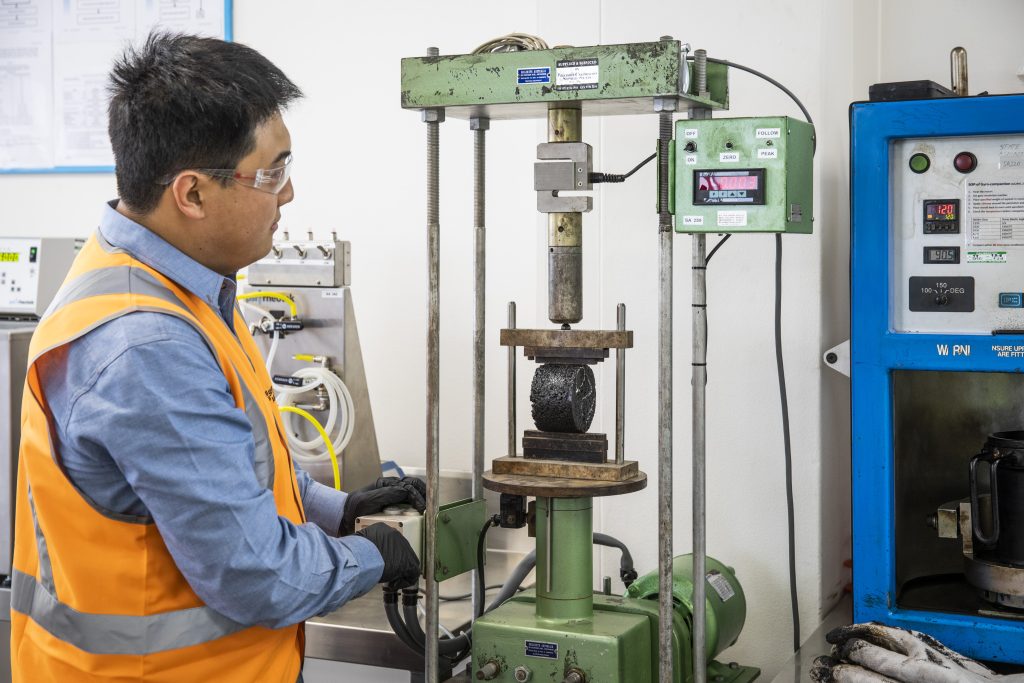
This question separates contractors who deliver consistent quality from those who wing it. Commercial projects demand rigorous quality assurance, from mix design verification through to compaction testing and finished surface tolerances.
Ask about laboratory testing of asphalt mix. Do they test samples from each batch? How do they verify compaction density meets specifications? What documentation will you receive showing quality compliance?
The best contractors use independent testing and can provide detailed QA reports. If a contractor dismisses this question or says “we just use our experience,” you’re looking at potential problems down the track.
4. How Do You Handle Traffic Management and Safety Compliance?
Any commercial project requires detailed traffic management plans and safety protocols. Poor planning here creates liability risks and can shut down your entire project.
Ask who prepares their traffic management plans. Are they accredited? How do they coordinate with councils and emergency services? What safety certifications do their crews hold? You want contractors who treat safety as non-negotiable, not an afterthought.
For large projects, ask about their Work Health and Safety (WHS) management systems and whether they’re ISO 45001-certified or equivalent.
5. What Equipment Will You Use, and What’s Your Crew Capacity?
Equipment quality and crew size directly impact project speed and finish quality. Modern pavers deliver better compaction and smoother surfaces than outdated gear. Adequate crew size prevents bottlenecks and keeps projects on schedule.
Ask specific questions: What model pavers will you use? How do you maintain equipment? What’s the planned crew size for each stage? How many projects are you running simultaneously?
Contractors stretched too thin across multiple jobs often miss deadlines or deploy inexperienced crews to your site. You want confirmation that they have the resources to dedicate to your project without cutting corners.
6. Can You Provide References From Similar Projects?
References are non-negotiable, but here’s what most people miss: you need to actually call them and ask the right questions. Don’t just collect names and tick a box.
When speaking with references, ask: Did the project finish on time? Were there cost overruns, and if so, why? How did the contractor handle unexpected issues? Would you hire them again? Can you visit the site to inspect the finished work?
Better contractors will proactively offer site visits to recent projects. Take them up on it. You’ll learn more from seeing their work firsthand than from any sales pitch.
Need help understanding the paving workflow before evaluating their capabilities? Knowing the process helps you ask smarter questions during reference checks.
7. How Do You Ensure Compliance with Australian Standards?
Australian Standards (particularly AS 2150 for asphalt paving and AS 1348 for road design) set the benchmark for quality and durability. Contractors who don’t follow these standards are building problems into your pavement from day one.
Ask how they interpret and apply relevant Australian Standards to your project. Do they use certified materials suppliers? How do they ensure mix designs meet AS specifications? What testing confirms compliance?
Asphalt experts who specialise in commercial work should speak fluently about standards and how they apply to your specific project conditions. Vague answers here are red flags.
8. What’s Your Approach to Managing Timelines and Weather Delays?
Asphalt projects are weather-dependent. Rain can halt paving, extreme heat affects compaction, and winter limits curing. Experienced contractors plan for this.
Ask for a realistic timeline that accounts for local weather patterns. What’s their contingency plan for rain delays? How do they communicate schedule changes? If your project has hard deadlines (like an opening date or staged handover), how do they guarantee delivery?
The contractor should outline their scheduling methodology and explain how they’ve handled delays on past projects. If they promise unrealistic timeframes or can’t articulate a weather contingency plan, expect problems.
9. What Warranty Do You Offer on Materials and Workmanship?
Warranties reveal the level of confidence a contractor has in their work. A comprehensive warranty covering both materials and workmanship should be standard for commercial projects – typically 12 months minimum, with longer periods for major installations.
But here’s what matters more than the length: What does the warranty actually cover? What’s excluded? What’s your process for warranty claims? How quickly will they respond to issues?
Get warranty terms in writing before signing anything. Understanding common issues that might arise (like fixing pavement problems) helps you evaluate whether the warranty coverage is adequate.
10. What’s Included in Your Quote, and What Could Change the Price?
Transparent pricing prevents nasty surprises mid-project. A detailed quote should break down costs: site preparation, base work, asphalt supply and laying, compaction, line marking, and any additional services.
But equally important: ask what’s NOT included. Who handles permits? What happens if excavation reveals poor subgrade conditions requiring additional work? Are there charges for overtime if the weather causes rescheduling? What factors could trigger price variations?
The best contractors provide itemised quotes and clearly explain potential variables. If a quote seems unusually cheap, ask what corners are being cut. A contractor who’s transparent about pricing is someone you can trust with your project budget.
Ditch the Guesswork
Choosing an asphalt contractor shouldn’t feel like a gamble. These 10 questions give you the framework to separate capable, experienced professionals from contractors who’ll jeopardise your project.
The contractors worth hiring will welcome these questions. They’ll provide detailed answers, supporting documentation, and the confidence that comes from proven expertise. The ones who get defensive or evasive? They’ve already told you everything you need to know.
For projects requiring specialised services like road profiling in Sydney or complex surface preparations, working with contractors who can handle every aspect in-house typically delivers better coordination and accountability than cobbling together multiple subcontractors.
At Kypreos Group, we’ve built our reputation on transparency, technical expertise, and delivering commercial asphalt projects that meet the highest standards. We answer every question on this list because we know informed clients make the best partners.
Talk to the Kypreos Group team about asphalt paving, spray seal, road profiling and asphalt testing across Greater Sydney.


