
On this page
When a freshly laid asphalt surface fails, costs skyrocket, projects get delayed, and asset owners look for answers. In road construction, the difference between a pavement that lasts 20 years and one that fails in 20 months comes down to precise design and operational execution.
At Kypreos Group, we’ve seen firsthand how easily minor field oversights turn into major structural defects. Whether you are managing a local council road or a high-traffic highway corridor, avoiding these common paving mistakes is critical to protecting both your project budget and the pavement’s design life.
Here are the most common asphalt paving mistakes seen across commercial and industrial projects, and what you can do to avoid them.
Poor Site Preparation
Unstable foundations are the single biggest cause of premature asphalt failure. Proper site preparation isn’t optional; it’s the pavement’s structural backbone. Skipping or cutting corners on groundwork leads to sinking, settlement, cracking and costly repairs within a few years.
Proper preparation means clearing and grading the area, fixing existing drainage issues, designing and preparing a durable base, and making sure the underlying ground is stable and capable of supporting the intended load. We apply a high-quality bituminous coat/seal to ensure the new asphalt locks perfectly to the base.
Why it matters: Skipping any of these steps puts the entire pavement at risk of early failure. Read our blog asphalt paving process for a step‑by‑step guide on thorough site preparation and why it is essential for long‑lasting pavement.
Using the Wrong Asphalt Mix
Asphalt mixes are engineered to perform under specific conditions, and selecting the wrong mix is a mistake that tends to show up quickly after construction. The asphalt mix design must suit your site conditions, expected traffic and local climate. When an unsuitable asphalt mix is used, for example, one that is too soft for heavy vehicles or too stiff for temperature changes, the surface may look acceptable at first, but it will begin to deform, crack or ravel far earlier than it should.
The right mix depends on a range of factors, including traffic volume, vehicle loads, local climate, drainage conditions, and the specific demands of the site. Working with experienced asphalt paving specialists like The Kypreos Group from the start ensures the correct product is chosen before work begins, rather than dealing with performance problems after.
Inadequate Compaction = Weak Pavement
Compaction is one of the most critical steps in the asphalt paving procedure. Poorly compacted asphalt will leave asphalt pavement with excess air voids and weak spots throughout the pavement layers, significantly accelerating deformation, cracking and overall deterioration under traffic loading.
Good compaction requires the right equipment, the right technique, experienced operators, and precise timing. Once asphalt temperature drops below the optimal range, the window to compact it effectively is gone. Inadequate compaction cannot be fully corrected later; the only durable solution is to mill or cut out the affected area and re‑pave it to the required density.
Asphalt Too Thin or Wasted by Too Thick
Asphalt thickness is not a guesswork item – it is engineered. When the asphalt layer is too thin for the underlying ground conditions and traffic loading, the pavement flexes excessively, leading to early cracking, rutting and structural failure. If it is made unnecessarily thick, you may pay more without actually improving performance.
Our process involves assessing site conditions, expected traffic volume and patterns and existing pavement performance before recommending an appropriate asphalt thickness and base configuration. We document these design assumptions and construction thicknesses so you know exactly what you are paying for. This engineered approach delivers a pavement structure that is fit for purpose, avoids unnecessary cost and significantly reduces the risk of premature failure.
Poor Drainage
Water is the single most destructive element to an asphalt pavement, and failing to manage it correctly is a mistake that guarantees early failure. When water is allowed to pool on the surface or penetrate the underlying layers, it weakens the pavement foundation, strips the asphalt binder from the aggregate, and quickly turns minor defects into cracking, potholes, and ultimately structural failure.
Drainage needs to be resolved during the design phase, before any asphalt is laid. Trying to address drainage problems after installation is disruptive, complicated, and significantly more expensive than getting it right from the start. By addressing drainage properly from the outset you significantly extend pavement life, improve safety and reduce the frequency and cost of repairs.
Leaving Cracks Unrepaired
Pavement cracking is an early warning sign of distress, and leaving cracks unattended is one of the most costly maintenance mistakes an asset manager or contractor can make. Cracks break the impermeable seal of the wearing course, creating a direct pathway for water, air, and debris to enter the pavement structure. Ignoring a crack network ensures that a localised, easily treatable issue will rapidly escalate into a widespread structural failure.
Staying on top of asphalt crack sealing as soon as damage appears is one of the most cost-effective maintenance decisions you can make. For a broader look at keeping your pavement in good shape, these tips to make your asphalt last longer are well worth a read.
Skipping Quality Testing
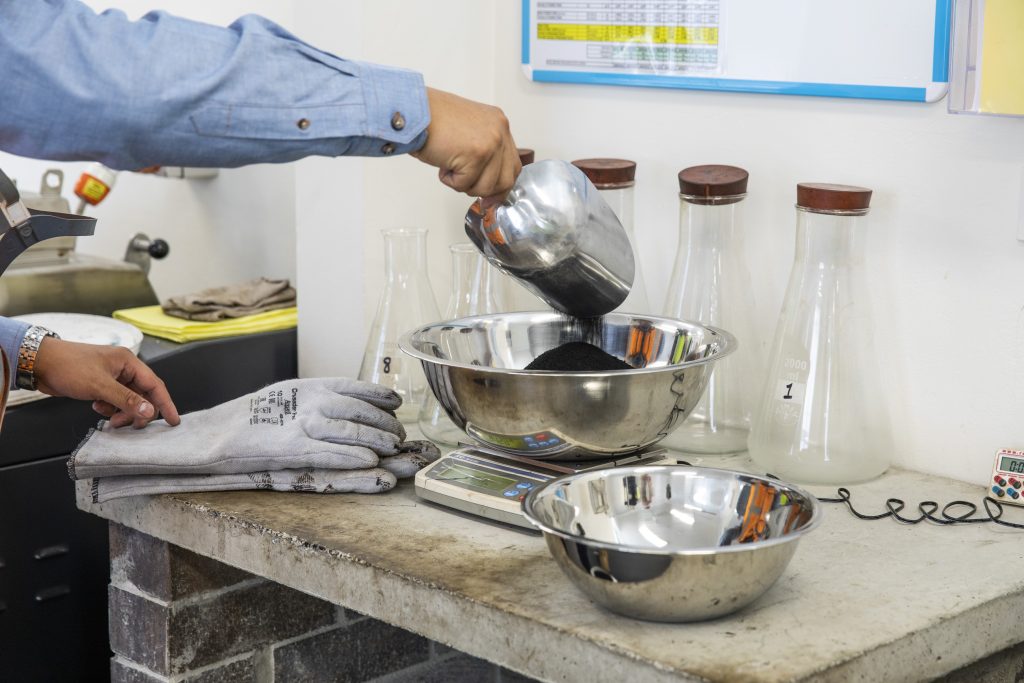
Quality testing is one of the most important steps in any asphalt paving project, yet it is often overlooked in an attempt to save time or reduce costs. Skipping essential quality control checks can lead to premature pavement failure, expensive repairs, and a significantly shorter service life.
Without proper quality testing, hidden defects may go unnoticed until they develop into visible problems such as cracking, rutting, potholes, water infiltration, or surface deformation. By the time these issues become apparent, repairs are often far more expensive than the cost of testing during construction.
Our asphalt testing laboratory assesses the quality and compliance of constructed asphalt pavements and issues formal test reports documenting performance against the specified standards.
Lowest Bid Often Means Costly Shortcuts
The cheapest quote is rarely the best value. Asphalt paving is a technical discipline, and the quality of the work directly impacts durability and maintenance costs. While competitive pricing is important, an unusually low bid may indicate that essential steps, materials, or quality control measures have been compromised.
A well-constructed asphalt pavement is an investment that should provide years of reliable service with minimal maintenance. Paying slightly more for experienced workmanship, quality materials, and proven construction practices often delivers a far lower total cost of ownership by reducing the need for frequent repairs and early replacement.
At The Kypreos Group, we believe quality should never be sacrificed to win a project. Every asphalt paving solution is designed to meet the specific requirements of the site, using proven construction methods and high-quality materials to deliver durable, long-lasting results. The Kypreos Group’s guide to common asphalt pavement issues and fixes is a great place to start.
Get It Right From Day One
A high-performing asphalt pavement doesn’t happen by chance. It starts with careful planning, quality materials, skilled workmanship, and attention to every stage of the construction process. Avoiding common mistakes can significantly improve the durability and performance of your pavement.
At The Kypreos Group, we bring over 50 years of industry experience to every asphalt paving project, delivering durable, high-performance pavement solutions tailored to the unique requirements of each site across Australia. From the initial site assessment and pavement design through to construction, compaction, and final quality assurance, every stage of our process is focused on delivering asphalt pavements that are built to last.
If you’re planning an asphalt paving project, contact The Kypreos Group today. We’ll help you choose the right solution from the beginning, ensuring your investment delivers long-term value, reliability, and performance.
Talk to the Kypreos Group team about asphalt paving, spray seal, road profiling and asphalt testing across Greater Sydney.


